





“I’ve been to services on Shabbat and I find them warm, welcoming, and somewhat informal. But on High Holidays, they seem heavily ritualized and really formal. I wonder which is the more “authentic” version of Jewish worship?”
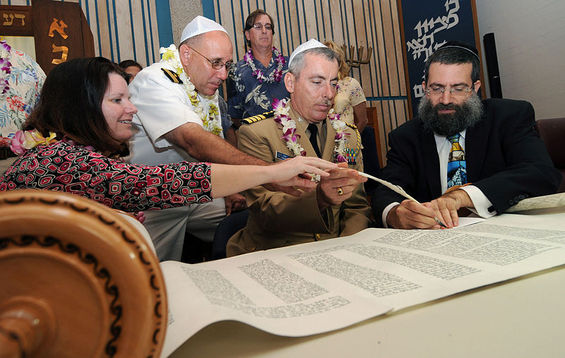 As much as the Yamim Noraim (Days of Awe) are a holiday, they are also a lifecycle event. The event is our lives – our annual process of assessing how we have been living, if we have been living our lives, or if we have been living beside the point.
The liturgy and services of the High Holidays are designed to confront us with our mortality, to make the reality of our finitude starkly apparent, so that we deeply consider how we want and need to be living given that we are only here for a brief time. Those are the stakes we are meant to confront as we sit in shul on the High Holidays. We sit there so that we can reclaim our lives from all the forces that keep us from living the sacred, divine lives we can and are meant to live. No small feat! This is not your average Friday night.
The High Holidays and Shabbat are deeply authentic Jewish practices and rituals; however, they are different. They have different goals and different modes of accomplishing their goals that shuls interpret and express in endlessly different ways. And there are often very different people and different numbers of people in the room for the experience. There is much to be said about all of those things, but I would encourage you to think about how you can approach these two ritual moments so that you get what you want and need from them.
I heard a teaching recently from Rabbi Zalman Shachter-Shalomi. As it was told to me, Reb Zalman encourages everyone in shul to pause before the rabbi gets up to speak and pray for openness to what the rabbi has to say so that we can hear something in what is being offered that helps us on our journey. I think there is great wisdom in this teaching for any moment of communal prayer. May we all find something that helps us transform our lives during these Yamim Noraim.
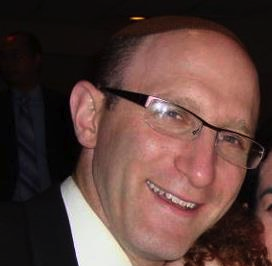
Rabbi Daniel Klein is the rabbi at The Boston Synagogue, a trans-denominational congregation in Boston.
For High Holiday basics, guides, explanations, recipes, discussion boards, article archives and more, visit InterfaithFamily’s High Holidays page.
This post has been contributed by a third party. The opinions, facts and any media content are presented solely by the author, and JewishBoston assumes no responsibility for them. Want to add your voice to the conversation? Publish your own post here. MORE