





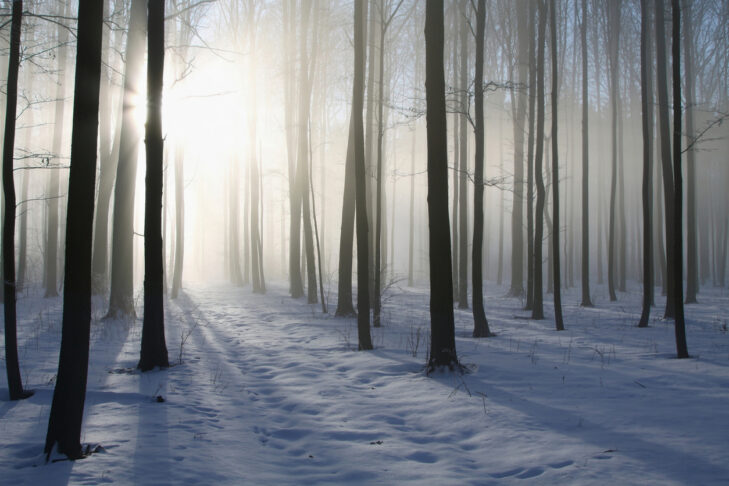
“A long December, and there’s reason to believe that this year may be better than the last.” The lyric captures both lament and hope. It acknowledges pain and weariness but refuses to end there—it insists on the possibility of renewal.
That tension mirrors the Jewish High Holy Days. These days hold together honesty about brokenness (cheshbon hanefesh, the accounting of the soul) and the hope for new beginnings (teshuvah, repair and return). For Jews around the world, the turning of the year is both a reckoning and a renewal: we do not deny the tears of the past, but we dare to believe in the possibility of redemption.
As we approach Rosh Hashanah, these words resonate deeply. The past year has been heavy with grief and uncertainty: the continuing anguish of hostages, the devastation in Gaza, the attack outside Israel’s embassy, and the steady rise of antisemitism worldwide. Our hearts carry both sorrow and fatigue. And yet, like the lyric, we cling to the possibility that the year to come can and must be better.
Captivity and Release
This is not the first time our people have faced hardship. We have been in captivity before. From Pharaoh’s Egypt to Babylon’s exile, Jewish history is marked by suffering under oppression, violence, and unjust rulers. We have lived under corrupt and cruel leaders, sometimes of foreign empires, sometimes of our own making. Yet again and again, we have found freedom, release, and liberation.
The Exodus remains the central story of Jewish identity: the journey from slavery to freedom. Every Passover we remind ourselves that liberation is not only history but promise—that God “heard our cries” (Exodus 2:24) and acted to bring us out with a mighty hand and an outstretched arm. The memory of Egypt became the lens through which later generations understood captivity, exile, and return.
When the Temple was destroyed and our people carried into Babylonian exile, it felt like an ending. Yet prophets such as Jeremiah and Isaiah spoke of hope. Jeremiah wrote to the exiles: “I know the plans I have for you, plans for welfare and not for evil, to give you a future and a hope” (Jer. 29:11). Centuries later, the return from exile became a second story of release, proof that renewal was always possible.
This cycle of captivity and liberation runs deep in our history. It tells us that despair is never the last word.
A Year of Jubilee
The Torah offers not only stories of redemption but a vision for ongoing renewal. Every seventh year was to be a Shmita year, a sabbath for the land, when fields rested and debts were forgiven (Leviticus 25:2–7). And after seven cycles of seven, the fiftieth year was declared a Yovel, a Jubilee: liberty was to be proclaimed throughout the land, and each person was to return home (Leviticus 25:10).
The Jubilee year was an audacious vision of justice—freedom from bondage, restoration of dignity, and economic reset. It was a reminder that captivity was never permanent, that inequality was never final, and that freedom was God’s design for creation.
As we look to the year ahead, we might ask: can this be our Jubilee? Can this year be one where the hostages return home, where cycles of violence and vengeance are interrupted, where hatred gives way to compassion? Jubilee reminds us that release and renewal are not only possible, they are commanded.
Reflection and Renewal
Rosh Hashanah marks the beginning of the Aseret Yemei Teshuvah, the Ten Days of Awe. It is a time for serious reflection: an honest reckoning with our failings, both personal and collective. But reflection alone is not the goal. The purpose is to turn—teshuvah—to repair what is broken and to return to God’s vision for humanity.
This season teaches us that hope is not naïve optimism. It is work. It is prayer, repentance, reconciliation, and the pursuit of justice. When we say that we hope the year ahead will be better, we are not simply wishing; we are committing ourselves to the labor of making it so.
The shofar’s cry is central to this season. Its piercing sound wakes us from complacency and summons us to action. It is at once a wail of mourning and a trumpet of renewal. The Talmud (Rosh Hashanah 26a) reminds us that the shofar is bent, to symbolize the bending of our hearts in humility and repentance. But its sound also echoes forward, announcing the possibility of redemption.
From Weeping to Joy
Psalm 126, often recited at the end of Shabbat, captures this rhythm of Jewish hope: “Those who sow in tears will reap with songs of joy. Those who go out weeping, carrying seed to sow, will return with songs of joy, carrying sheaves with them.”
This is the essence of Jewish resilience—that even after seasons of weeping, we continue to sow seeds of hope, trusting that joy will return. The story of our people has never been one of permanent despair. It has always been one of persistence, resilience, and the refusal to give up on the possibility of a redeemed future.
So we pray and work for the year ahead to be a year of release and freedom—a time when the hostages return home, when violence subsides, when hatred is replaced with understanding, and when the tears of mourning are turned into the joy of new beginnings.
A Reason to Believe
The hope of Rosh Hashanah is that the shofar’s call awakens us not only to the reality of the past but to the possibility of a future redeemed. The Jewish story tells us that even in exile, we are never abandoned; even in captivity, we are never without hope; even in lament, we are never without the promise of renewal.
And so, like the song that began this reflection, we hold fast to the belief that there is reason to hope—that this year may, indeed, be better than the last.
This post has been contributed by a third party. The opinions, facts and any media content are presented solely by the author, and JewishBoston assumes no responsibility for them. Want to add your voice to the conversation? Publish your own post here. MORE