





Can you explain “Shloshim,” the traditions for the 30th day of mourning, and how Reform families might observe them?
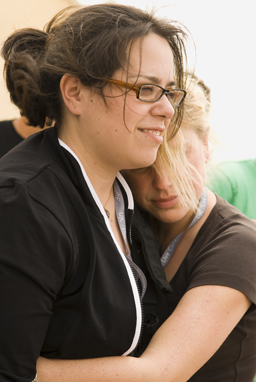 Jewish tradition prescribes several periods of mourning (avelut), varying in intensity and level of obligation. During these periods, a mourner is given the time to step back from his/her worldly responsibilities to endure the pain and challenge of loss. Certain mourning rituals are also practiced – remaining at home, refraining from work, entertainment, and sexual relations, not attending to matters of personal vanity, wearing of the keriah ribbon, etc. Shloshim, “thirty,” is the 30-day period of mourning following the burial. Shivah, “seven,” is the first seven days of shloshim.
During the shloshim period, the next 23 days, the ritual constraints of mourning are less severe. For example, one might return to work after the seventh day, but might still avoid joyful social gatherings and entertainment for the remainder of shloshim. One is considered a mourner for 12 months for a parent, but for other relatives only through the time of shloshim. Joining a minyan (community of worshippers) on a regular (daily or weekly) basis for prayer and the recitation of the Mourner’s Kaddish is a common way to mark and observe the days of these mourning periods.
From a Reform viewpoint, observing the mourning periods serves as a means to help the mourner confront and work through grief, remember and consider the legacy of a loved one, and ultimately return to living with a sense of renewal. The observance of mourning customs and periods, therefore, are to benefit the mourner and not to subject him/her to empty discipline or ritual practice. While Reform clergy encourage mourners to adopt the traditional mourning practices, we counsel a family to mourn in ways that will be helpful in bringing comfort and consolation after their loss.
 The traditional mourning periods also serve to remind the members of a community that mourners are in need of support and comfort. Many synagogues and Jewish communities reach out to mourners at the time of death and at the passing of the shivah and shloshim time periods.
Rabbi Rachel Saphire is the assistant rabbi at Temple Beth Elohim, a Reform synagogue in Wellesley.