






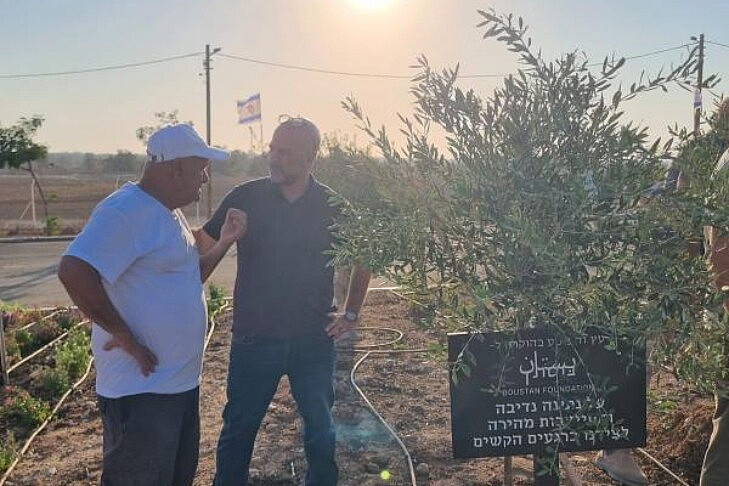
In the aftermath of Oct. 7, 2023, Israel’s agricultural community was upended. Kibbutz Kissufim, roughly a half-mile from the Gaza border, was desperately hard-hit.
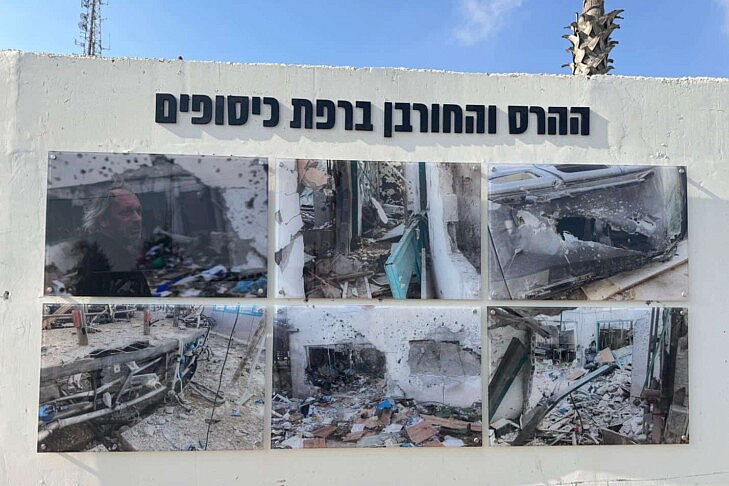
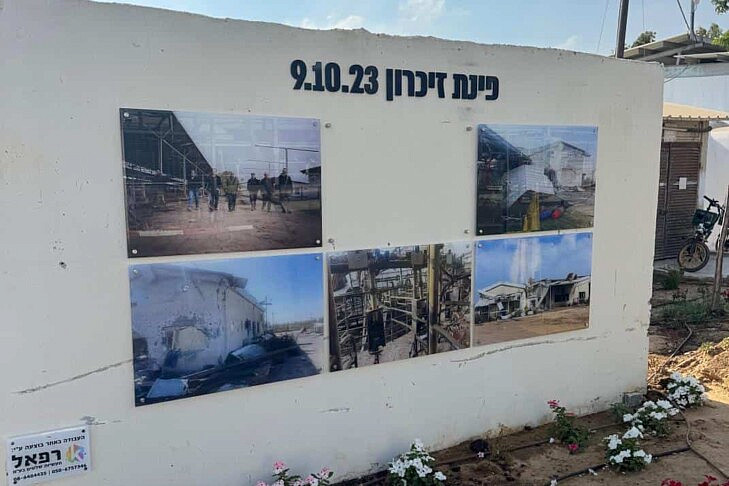
“The kibbutz lost 20 members who were murdered or killed, most of the homes were damaged, 20 houses were completely destroyed and the entire community was evacuated. Only now, nearly two years later, have families begun the gradual process of returning home,” says Keren Berler, CEO of Kissufim Bonim Atid.
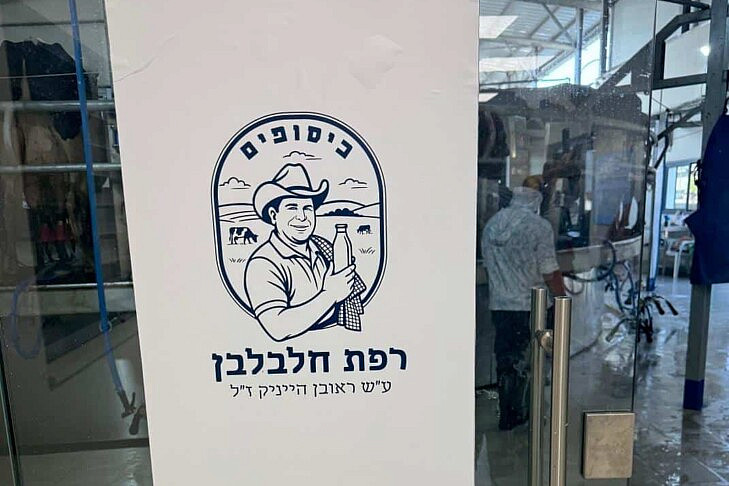
Just two days after the initial attacks, dairy farm manager Reuven Heinik was killed while checking on his herd. Heinik, like so many Israeli dairy managers, took his job seriously and refused to abandon his post despite the danger. Subsequent combat led to the complete demolition of the milking installation and the death of 300 cows, leaving the kibbutz without its most important economic asset, all while mourning the loss of one of its own.
The dairy farm was always at the heart of Kissufim, a gathering place and a touchstone for the community. Its destruction, and Heinik’s murder, cut to the very heart of the kibbutz’s identity.
“The cowshed is both a beloved site for kibbutz children, who grow up visiting and learning about the animals, and a central pillar of the kibbutz economy, generating income and employment that sustain communal life,” Berler explains.
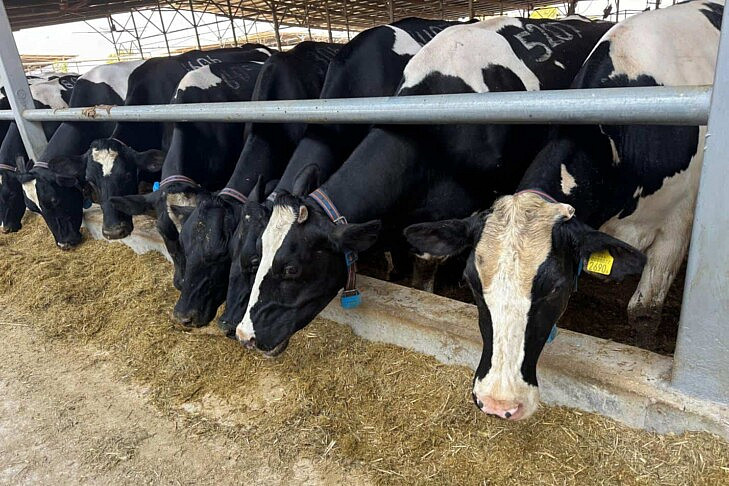
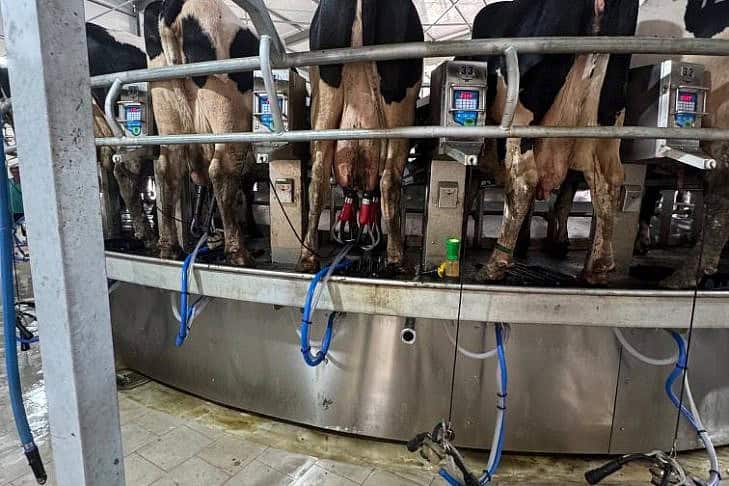
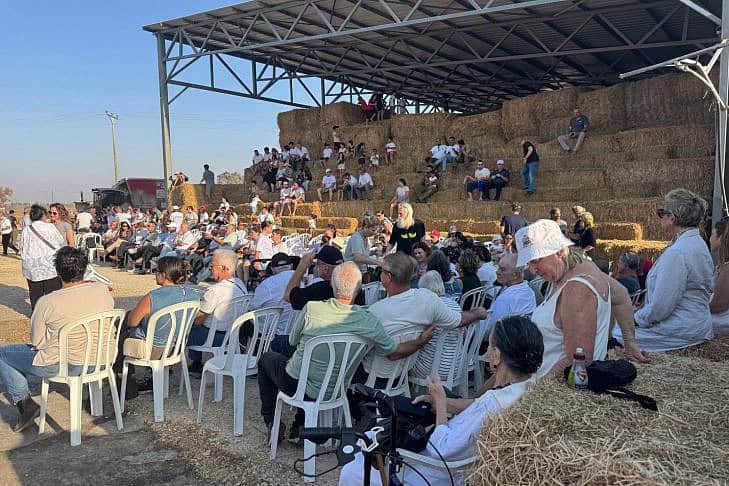
Happily, in July 2025, Kissufim inaugurated a new cowshed, rebuilt in memory of Heinik. The construction cost roughly 20 million New Israeli Shekels, Israel’s currency, about half of which was funded through philanthropy. The new facility marks a revival of the kibbutz’s primary economic engine. It’s also a symbolic milestone in the community’s return home, Berler says.
Related
CJP supports the effort with a $1.5 million emergency grant with a match by the Day-After Fund. ReGrow Israel is part of Volcani International Partners, which works internationally to end global food and nutrition insecurity by building bridges between local partners and Israel’s leading experts to create agricultural solutions.
“Agriculture matters to Israel. It matters for its food security and its food independence. Areas that are critical to Israel’s food production and food security were basically devastated in the wake of these attacks and the ongoing war,” explains Volcani chief operating officer David Chapot. “There is a level of emotional attachment to the dairies within these farming communities.”
Amid the tragedy, there is also resilience. In a heartwarming twist, a calf who was just 4 months old on Oct. 7, displaced until July, recently returned home to the new dairy, which is thriving.
“The calf has now returned and has borne her own child. And not only has the dairy been rebuilt, but it was rebuilt in a slightly more modern, optimized way. It now produces 25% more milk,” Chapot says.
Amnon Zarka is the former business manager of Kissufim and was with Heinik when he was killed. Zarka later led the renovation and witnessed the philanthropic impact, and its emotional resonance, firsthand.
The dairy is named for his friend: Heinik’s legacy lives on.
“The inauguration of the cowshed is a milestone on our path of ‘returning home.’ In the place where cows moo, children will also laugh. In the place where milk is produced and agriculture thrives, there will also be a flourishing community,” Zarka says. “Even if the return takes place in stages, I believe in the Kissufim community — they will come home, ‘following the cows,’ strengthened — and our sons and daughters will return to their land.”
Says Chapot: “Lives are literally being pieced back together thanks to the generosity of CJP and the communities in Boston.”
Support CJP so we can continue meeting the needs of the Jewish community in Greater Boston and abroad.