







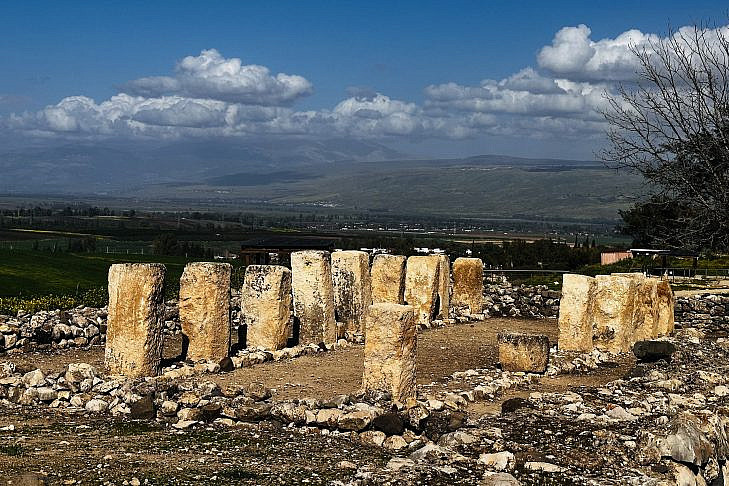

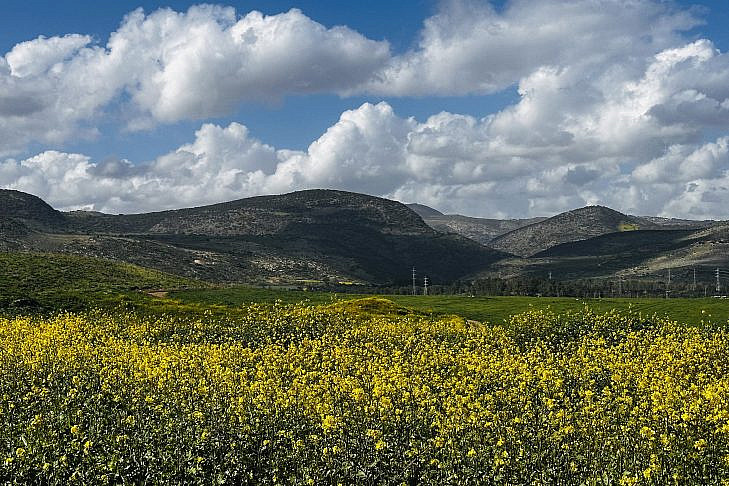

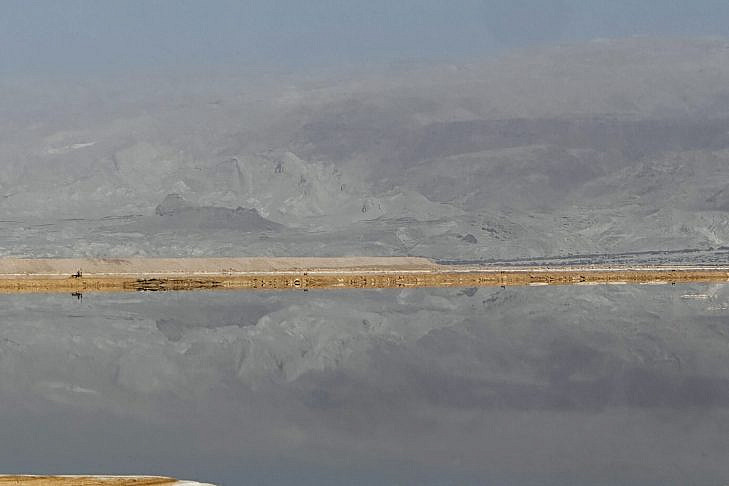


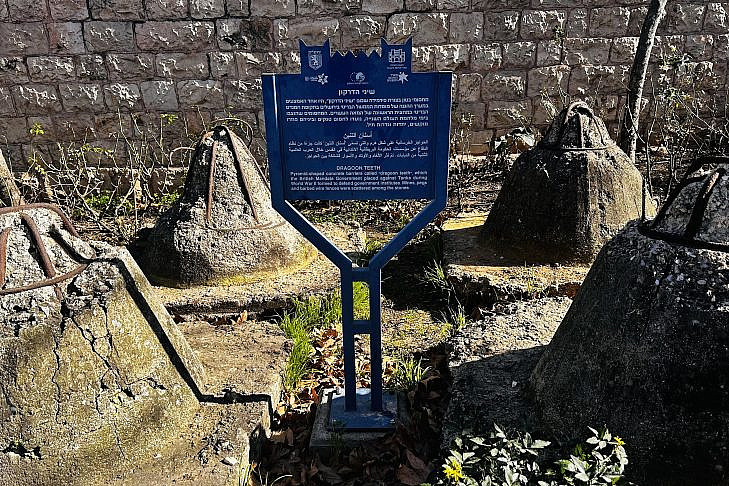

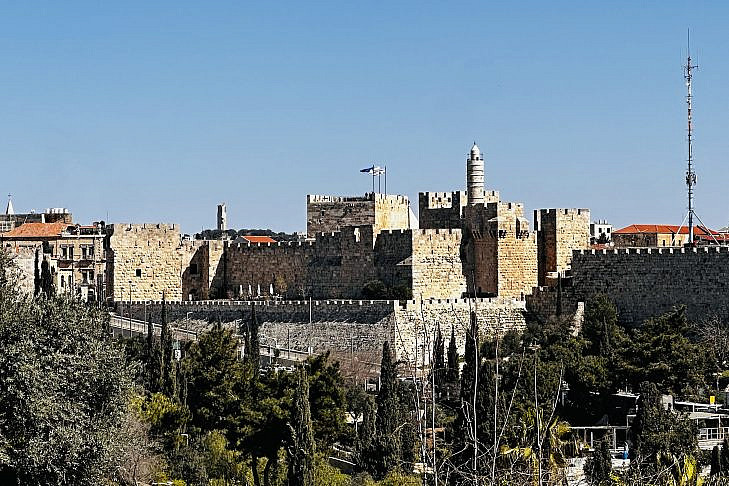
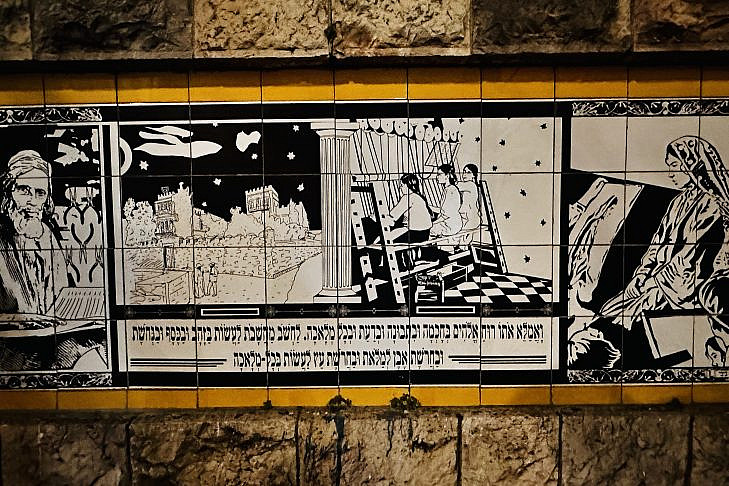
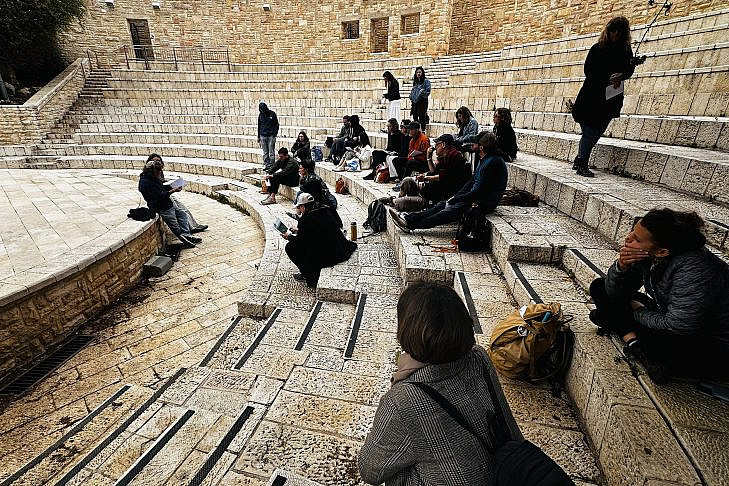
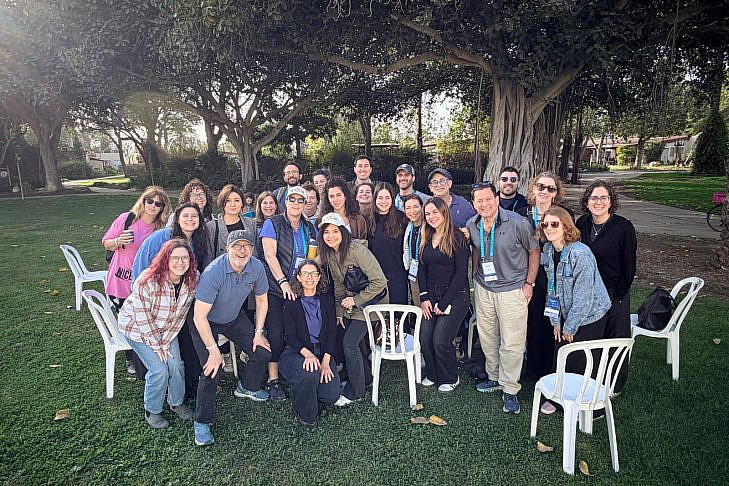
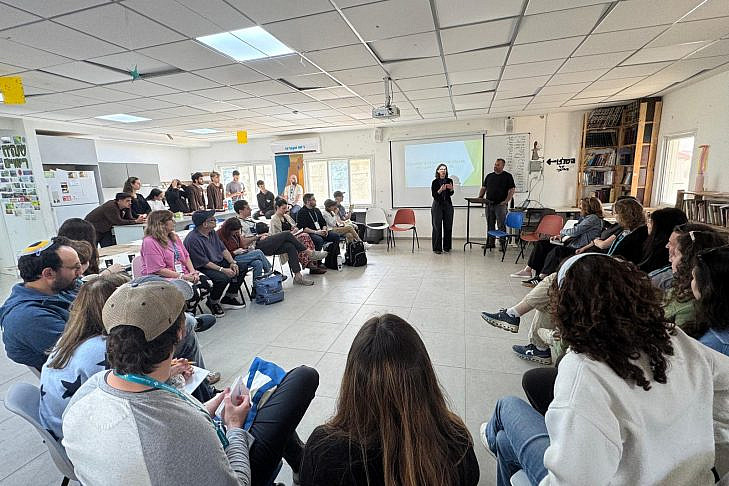
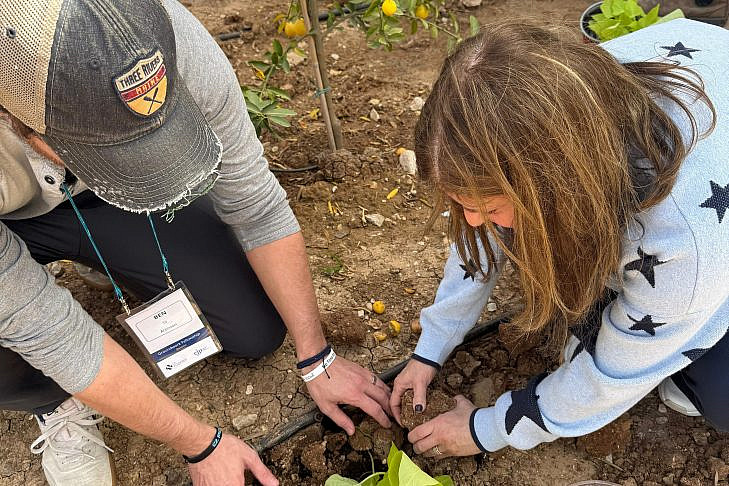
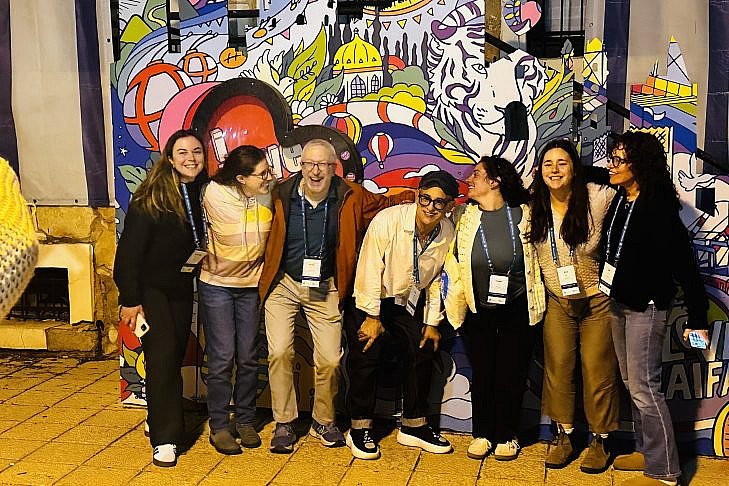
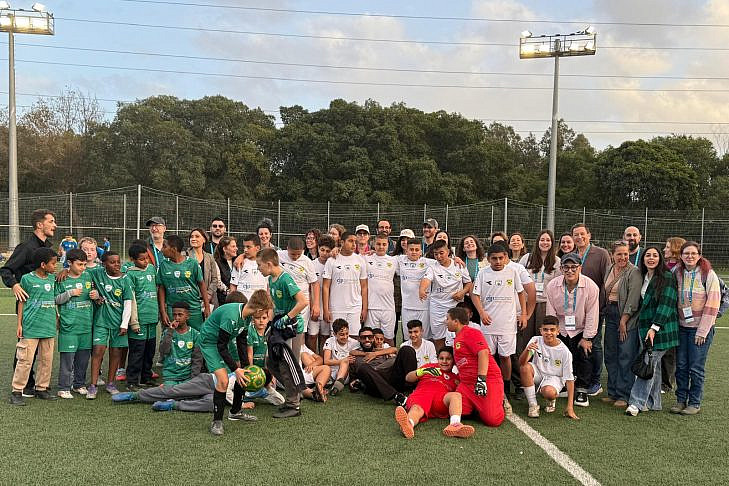

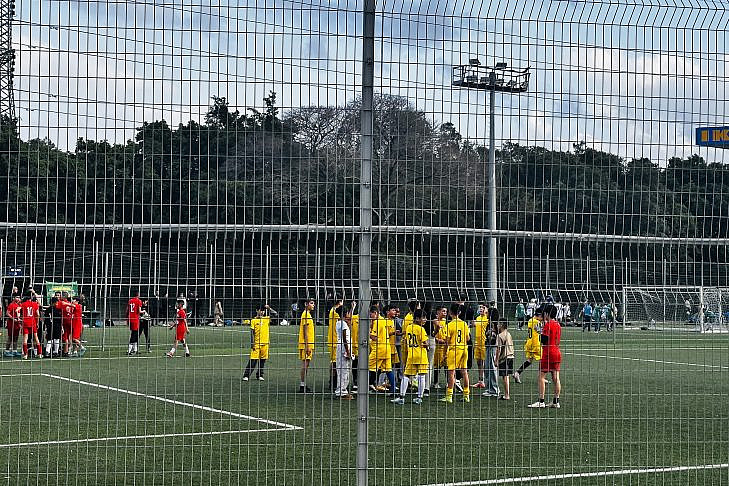
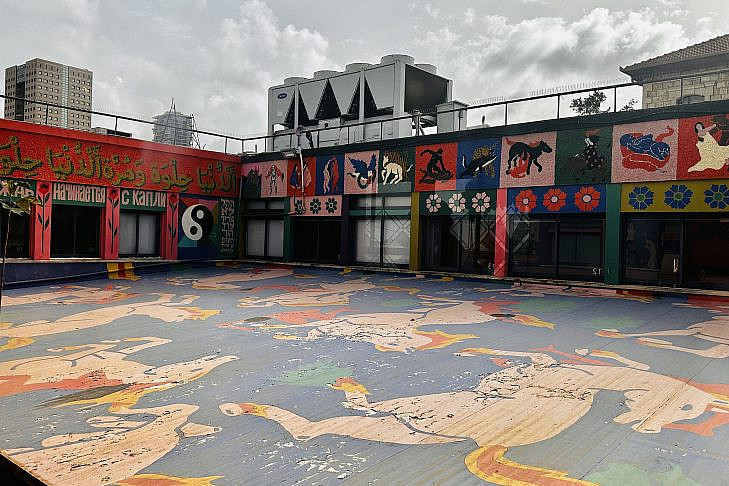
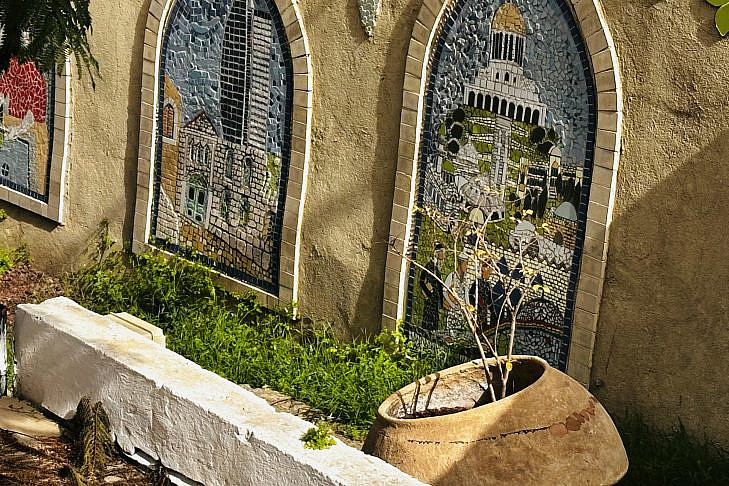
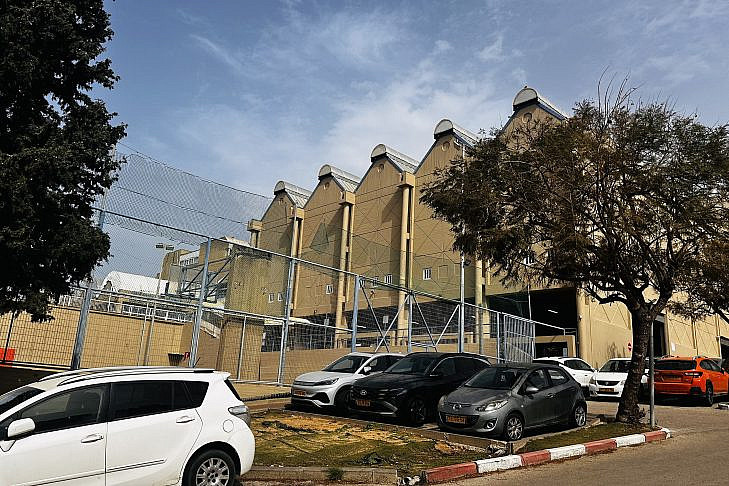
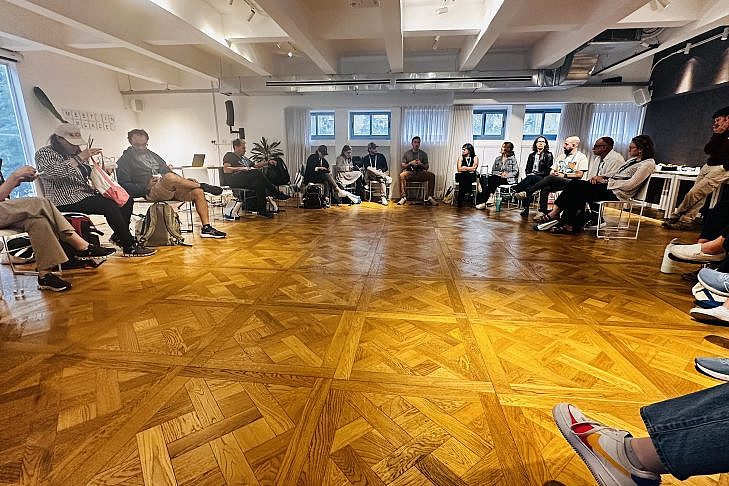

During a recent Groundwork Fellowship organized by Combined Jewish Philanthropies of Greater Boston (CJP), with programming facilitated by the iCenter, I joined a group of educators, facilitators, and community leaders traveling through Haifa, Jerusalem, and Israel’s South. We visited schools, cultural centers, and coexistence initiatives that brought Jewish and Arab communities closer together. We also stood at sites where recent history has made that work feel both urgent and fragile.
What stayed with me was not a single message, but a pattern: the coexistence of multiple, equally real narratives.
In Haifa, often described as a model of coexistence, we listened to young Arab Israelis speak candidly about feeling both included and excluded—participants in the country’s life, yet not always fully accepted within it. Later, in more informal conversations, Israeli colleagues described daily collaboration between Jewish and Arab professionals as ordinary and unremarkable.
Both perspectives are true. Both describe the same country. And they point to an important distinction—one that is often overlooked.
Coexistence is not the same as a shared society. Coexistence suggests the ability to live side by side without conflict. It is a necessary condition, but a minimal one. It allows for separation with stability: parallel lives, limited interaction, a kind of negotiated calm.
A shared society asks for something more. It requires not only the absence of conflict, but the presence of mutual participation. It means that different communities do not simply live near one another, but actively shape the same institutions, spaces, and future. It is not only about tolerance—it is about partnership.
The programs we visited were, in many ways, attempts to move from coexistence toward that deeper model. Shared schools, cultural centers, and youth initiatives are not just about reducing tension; they are about creating environments where relationships are formed through repeated, meaningful interaction.
But the conversations we had made it clear that this transition is far from complete.
For educators, this is the challenge.
In the United States, relationships with Israel are increasingly layered. Emotional connection does not always align with political agreement, and younger generations are often navigating that tension without clear frameworks. Teaching Israel today requires more than information. It requires the ability to hold complexity without collapsing it into a single narrative.
For those of us working with Russian-speaking Jewish communities, the starting point can be different. Connection to Israel is often deeply rooted—shaped by family ties, migration histories, and the memory of living as a minority in societies where belonging was never guaranteed. For many, Israel represents not only a country, but the idea that Jewish life can exist without dependence on the acceptance of others.
That connection often begins with loyalty. The educational task, therefore, is not to create connection, but to expand it—to provide language and structure that allow people to engage with Israel’s realities without losing that sense of commitment.
One way to approach this is by shifting from a single narrative to a set of lenses.
First, there are human stories. Encounters with individuals—Jewish and Arab, religious and secular, immigrant and native-born—allow learners to engage with lived experience before analysis. These stories rarely align neatly, but they reveal the complexity of daily life.
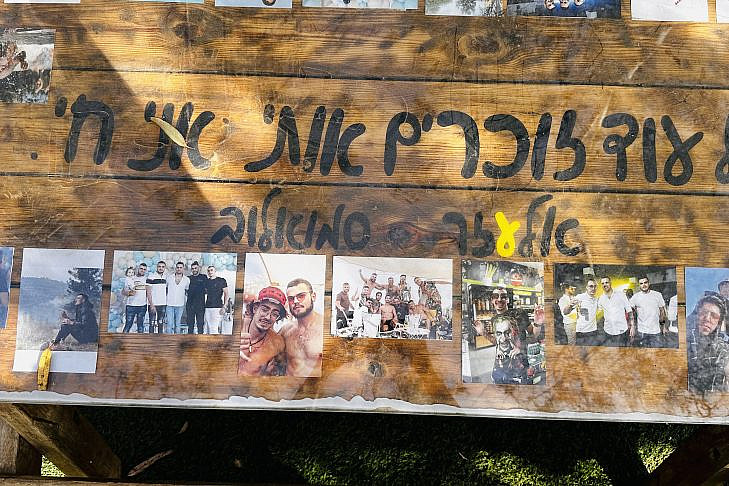
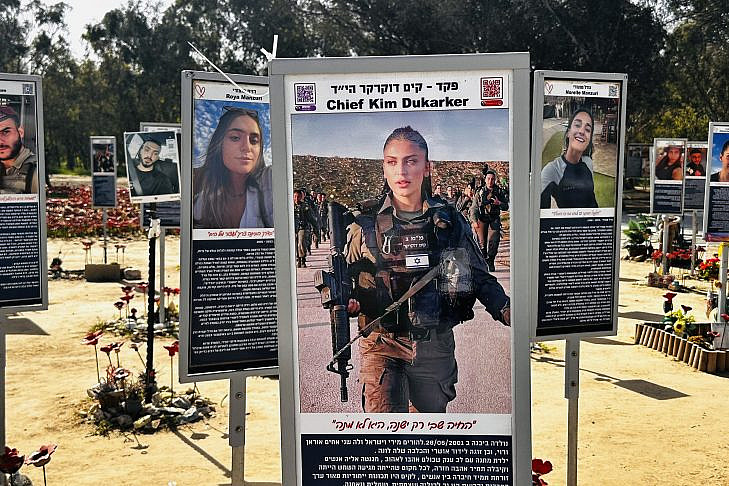
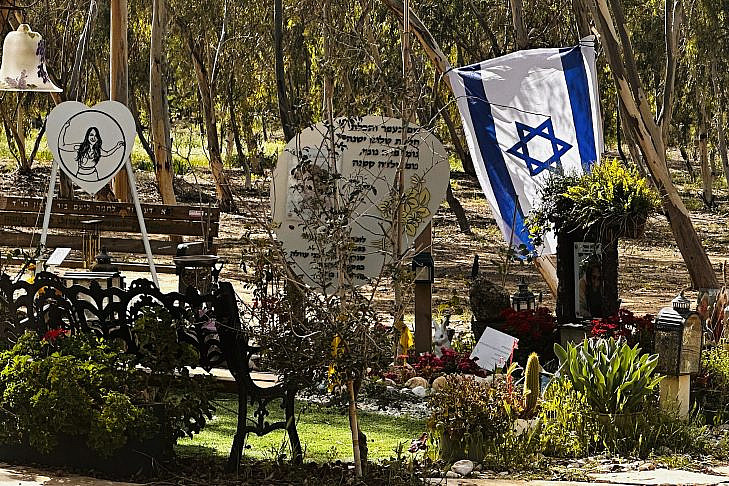
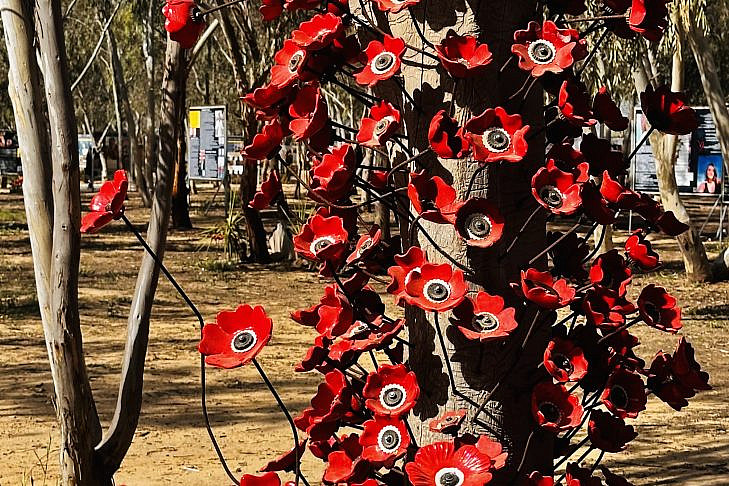
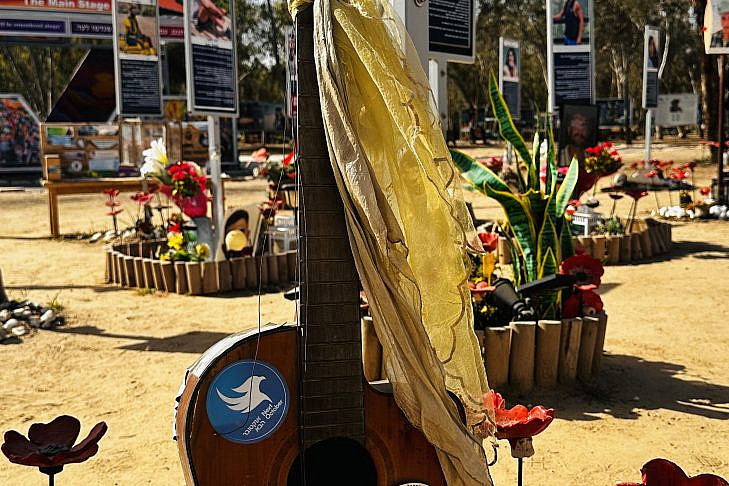
Second, there is a historical context. Without understanding Jewish history—persecution, displacement, and the persistent need for security—many aspects of Israeli society are difficult to interpret. Standing at the Nova memorial site made that context impossible to ignore. History is not an abstract backdrop; it is an active presence.
Third, there is the recognition that Israeli society is not static. The initiatives we visited—shared schools, cultural centers, youth programs—are not symbolic gestures. There are ongoing attempts by Israelis themselves to address internal tensions.
There are efforts to move from coexistence to a shared society.
These lenses do not resolve contradictions. They make space for it.
Another insight from the fellowship raises a broader question for philanthropy.
In American Jewish life, community is often intentionally constructed through organizations, volunteer networks, and philanthropic investment. These structures create spaces where relationships develop over time.
In Israel, social life is deeply connected but often less structured. Family and informal networks play a central role, but civic frameworks that bring diverse groups together voluntarily are less visible.
This difference matters. Because a shared society cannot be built only through programs. It depends on a broader ecosystem—spaces where people choose to participate, to return, and to build relationships over time.
If we are serious about fostering connection across difference, we may need to think not only about funding initiatives, but about strengthening the civic culture that allows them to take root.
Ultimately, the fellowship did not provide answers. It offered something more useful.
It revealed that understanding Israel is not about choosing one narrative over another, but about learning to listen to several at once—and helping others do the same.
And perhaps that is the first step—not only toward coexistence, but toward something deeper: a society that is not only shared in space, but in purpose.
This post has been contributed by a third party. The opinions, facts and any media content are presented solely by the author, and JewishBoston assumes no responsibility for them. Want to add your voice to the conversation? Publish your own post here. MORE